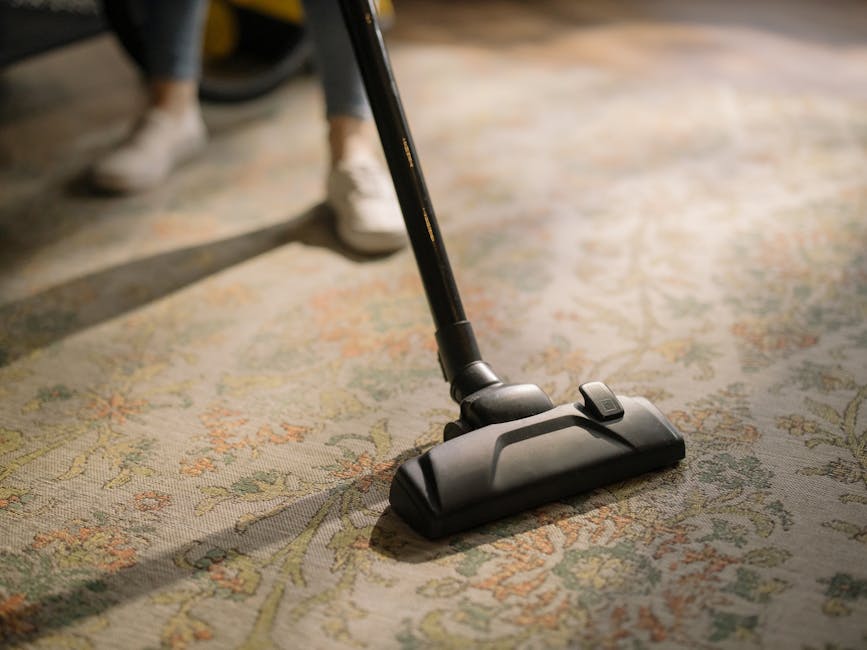
Carpet cleaning Victoria Station SW1 guide

If you live, work, or manage property near Victoria Station, carpet care tends to become one of those jobs that quietly builds up until it suddenly feels urgent. Mud gets tracked in from busy pavements, office walkways flatten quickly, and a single spill near the hallway can start to look far worse than it should. This Carpet cleaning Victoria Station SW1 guide breaks down what matters, how the process works, what to expect, and how to choose the right approach for your space without wasting time or money.
Whether you need a one-off refresh, regular maintenance, or help with a stubborn stain that has outstayed its welcome, the aim here is simple: give you practical answers you can actually use. Not theory for theory's sake. Real-world guidance, with a bit of local common sense thrown in.
Why Carpet cleaning Victoria Station SW1 guide Matters
Victoria Station sits in a part of London that never really slows down. Foot traffic is constant, weather changes seem to happen every ten minutes, and carpets in nearby homes, offices, rentals, and shared buildings take a proper beating. That's why carpet cleaning in this area is not just about looks. It's about hygiene, comfort, and protecting flooring that can be expensive to replace.
A clean carpet also changes the feel of a room in a way people notice straight away, even if they do not say so. The smell is fresher. The room feels lighter. The fibres stop looking tired and grey at the edges. To be fair, that first impression matters more than many people admit.
For landlords, managing agents, hoteliers, office managers, and homeowners, carpet condition can affect everything from customer perception to deposit disputes and wear-and-tear costs. If you are comparing service options, it helps to start with the basics on the dedicated carpet cleaning service page and then narrow things down based on your exact needs.
One more point that is often missed: carpets near transport hubs pick up a mix of dirt types. Not just dust, but grit, rainwater residue, food spills, coffee, cosmetics, and the occasional mystery mark from a rushed morning. Different soils need different treatment. That is where a structured approach pays off.
How Carpet cleaning Victoria Station SW1 guide Works
Most professional carpet cleaning follows a fairly sensible sequence, even if the exact method changes based on fibre type, staining, and drying needs. In plain English, the cleaner identifies the carpet, removes loose debris, treats spots, cleans the fibres, and then helps the carpet dry properly.
The main thing to understand is that carpet cleaning is not one single method. The phrase covers several approaches, including hot water extraction, steam cleaning, low-moisture methods, and targeted stain treatment. A skilled cleaner chooses the method that fits the material, not the other way round.
If you are dealing with everyday build-up, a deep clean may be enough. For more specific problems like pet odour, drink stains, or post-refurbishment dust, you might need a more focused treatment. The best results usually come from pairing the right method with the right pre-treatment.
For readers who want the steam-based option specifically, it helps to look at the details on steam carpet cleaning. For spill-related problems, the stain removal service is also relevant, especially when the mark has settled in rather than sitting on the surface.
In a typical job, the workflow looks something like this:
- Inspection of carpet type, traffic lanes, and visible stains.
- Vacuuming to remove loose grit and dust.
- Spot treatment for stains or odours.
- Machine cleaning using the chosen method.
- Rinsing or extraction where needed.
- Drying advice and aftercare guidance.
That sounds straightforward, and mostly it is. But the difference between average and excellent results often comes down to the bits done before and after the machine even starts.
Key Benefits and Practical Advantages
The obvious benefit is a cleaner carpet. No surprises there. But there are several other gains that make professional carpet cleaning worthwhile, especially in busy SW1 settings where carpets are used hard and often.
- Better appearance: colours look brighter, pile looks less matted, and room presentation improves quickly.
- Improved freshness: removing trapped dirt and odour can make a room feel noticeably cleaner.
- Longer carpet life: embedded grit wears down fibres over time, so proper cleaning helps delay replacement.
- More comfortable indoor environment: cleaner fibres generally mean less dust sitting in traffic areas.
- Better guest or tenant impression: useful for rentals, offices, serviced properties, and shared spaces.
There is also a practical money angle. A well-cleaned carpet can buy you time before replacement becomes necessary. That matters in London, where refurbishment costs and downtime are rarely trivial. Truth be told, it is usually cheaper to maintain than to replace.
If your property includes shared entrances or corridors, you may also want to explore communal area cleaning. For workplaces, office cleaning is often the right companion service because the carpets and hard surfaces age together.
And yes, there is a psychological benefit too. A well-kept floor just makes everything else feel more under control. Funny how that works, but it does.
Who This Is For and When It Makes Sense
This guide is useful for quite a wide mix of readers. If you are near Victoria Station and looking at tired carpets, chances are you fall into one of these groups:
- Homeowners wanting a reset after winter, a party, or general day-to-day wear.
- Tenants trying to leave a property tidy and avoid disputes over carpet condition.
- Landlords and agents preparing a property for new occupants.
- Office managers dealing with high-traffic flooring and regular spills.
- Hospitality and short-let hosts who need presentation to stay sharp between bookings.
- Property managers responsible for communal areas, stairwells, or mixed-use buildings.
It makes sense to book a professional clean when vacuuming alone is no longer enough, when there is a visible stain you keep noticing, or when the carpet has started to smell slightly stale. You know the sort of thing: not terrible, just not quite right. That in-between stage is often the best time to act.
If the carpet is newly installed and only lightly marked, a gentle maintenance clean may do the job. If it has been months since any proper care, a deeper service is probably the smarter move. For some households, combining carpet care with domestic cleaning or a broader deep cleaning visit is simply more efficient.
Step-by-Step Guidance
If you want to understand what a proper carpet cleaning job should look like, this is the basic sequence to expect. It is not glamorous. It is, however, what gets results.
- Start with an honest assessment. Check the age of the carpet, the type of fibre, and whether the issue is soil, staining, odour, or all three.
- Clear the area. Move light furniture if appropriate and make sure the cleaner can access the whole floor.
- Vacuum thoroughly. A first pass removes grit and loose dust before moisture is introduced.
- Identify trouble spots. Coffee, wine, pet accidents, grease, and mud all need different treatment.
- Choose the method. Steam, extraction, or a lower-moisture system should fit the carpet and drying window.
- Pre-treat where needed. This helps loosen soil and breaks down stubborn residues.
- Clean evenly. The process should be systematic, not random. Uneven passes tend to leave marks.
- Inspect after the main clean. Small stains may need a second targeted treatment.
- Allow proper drying. Open windows where possible, keep foot traffic light, and avoid putting furniture back too soon.
A small real-world tip: if you are preparing for a move, do not wait until the last afternoon before key handover. Drying time can be awkward in a busy flat, especially in older buildings where ventilation is patchy. A bit of planning saves the day, honestly.
When stains are the main issue, pair the clean with pet stain odour removal for animal-related spots or focused stain removal for other marks that have had time to settle.
Expert Tips for Better Results
Good carpet care is a mix of timing, technique, and restraint. That last one matters more than people think. More product is not always better. More water is not always better either. Sometimes it just creates a new problem.
- Act fast on spills. Blot, do not rub. Rubbing drives liquid deeper and can distort the pile.
- Vacuum slowly. A rushed vacuum pass misses the grit sitting low in the fibres.
- Use mats near entrances. Near Victoria, this helps a lot because road dirt and rain come in on shoes constantly.
- Rotate furniture where possible. It helps spread wear and prevents permanent traffic lanes.
- Ask about fibre type. Wool, synthetic, and blended carpets behave differently.
- Leave drying space. A fan or open window can make a genuine difference in stuffy rooms.
Here is one of those mildly awkward truths: a carpet can look clean while still holding dirt below the surface. That is why surface appearance alone is not enough. You want a clean you can feel underfoot, not just one that photographs well. Small difference, big result.
If the carpet is part of a larger refresh, it may be worth pairing with sofa cleaning or upholstery cleaning. In living rooms especially, one dirty soft furnishing can make the freshly cleaned carpet look oddly unfinished.
Common Mistakes to Avoid
Most carpet cleaning problems are preventable. The same handful of mistakes crop up again and again, and, to be fair, they are easy to make when you are trying to handle things quickly.
- Using too much water: this can lengthen drying time and, in some cases, lead to odour or re-soiling.
- Skipping vacuuming: if grit stays in place, cleaning becomes less effective and more abrasive.
- Scrubbing stains aggressively: that often damages the pile and spreads the stain.
- Using the wrong product: some cleaners are too harsh for delicate fibres.
- Ignoring odour sources: if the problem is a pet accident or spill into the backing, the surface alone will not solve it.
- Putting furniture back too soon: that can leave marks or transfer moisture.
Another common one? Expecting one pass to fix every issue in a heavily used room. Life would be easier if that were true, but carpets near entrances and stairways often need a bit of extra attention.
If you are also dealing with post-project mess, a specialist approach such as after builders cleaning can help reduce dust that keeps settling onto the carpet right after a deep clean. That happens more often than people expect.
Tools, Resources and Recommendations
You do not need a warehouse full of equipment to care for a carpet properly, but the right tools make the job much easier. Whether you are handling maintenance yourself or preparing for a professional visit, these are the basics worth thinking about.
| Tool or resource | Best use | Why it helps |
|---|---|---|
| Vacuum cleaner with strong suction | Weekly upkeep and pre-clean preparation | Removes loose dirt before it becomes embedded |
| Microfibre cloths | Blotting fresh spills | Lifts moisture without pushing it further in |
| Protective mats or runners | Entrances and corridors | Reduces tracked-in soil |
| Targeted stain treatment | Localised marks and spot cleaning | Helps treat the problem before it spreads |
| Professional cleaning service | Deep cleaning, odour, high traffic, special fibres | Delivers more consistent and safer results |
If you are comparing service levels, the pricing and quotes page is the sensible starting point. For general peace of mind around working practices, take a look at the company's insurance and safety information and health and safety policy.
That trio matters more than people think. A cheap quote is not much use if the provider cannot explain method, drying expectations, or what happens if a delicate carpet needs extra care.
Law, Compliance, Standards and Best Practice
Carpet cleaning itself is not usually a heavily regulated service in the way some trades are, but it still sits within a broader framework of UK expectations around safety, fair trading, waste handling, and customer care. In practical terms, that means customers should look for clear terms, honest communication, suitable insurance, and sensible handling of chemicals and equipment.
For landlords, agents, and businesses, the best practice bar is even higher. You need a service that can work around occupancy, minimise disruption, and respect building rules. In shared properties, that can include booking timings, access arrangements, lift use, and keeping common areas clean after the job. If that sounds obvious, it is. But obvious things get missed all the time.
Professional cleaners should also be able to explain how they handle upholstery, rugs, moisture-sensitive flooring, and adjacent surfaces. Good practice is not just about the carpet. It is about what happens around it. A damp doorway, a stained skirting board, or a flooded transition strip can turn a decent clean into a headache.
Where environmental care matters, the recycling and sustainability approach is worth checking too. It gives you a better idea of how waste, materials, and resource use are handled in day-to-day operations.
Practical summary: choose a provider that explains their process clearly, treats your carpet type with care, offers sensible aftercare advice, and stands behind their work with transparent policies. That is the standard you want, nothing less.
Options, Methods and Comparison
Not every carpet needs the same method. The right choice depends on fabric, soil level, how quickly the area needs to be used again, and whether the issue is general dirt or something more specific like odour.
| Method | Best for | Strengths | Things to watch |
|---|---|---|---|
| Steam carpet cleaning | Deep dirt, heavy traffic, general refresh | Strong cleaning power, good for embedded soil | Drying time needs planning |
| Targeted stain treatment | Spots, spills, localised marks | Focused and efficient | May need to be combined with a full clean |
| Odour-focused treatment | Pet accidents, stale smells, trapped odour | Addresses the cause rather than the surface only | Needs honest diagnosis of the source |
| General deep cleaning | Whole-room maintenance | Broad refresh across the full carpet | Not always enough for old stains on its own |
If you are unsure, ask yourself one simple question: is the problem mainly appearance, mainly smell, or both? That answer usually points you toward the right service faster than a long guess-and-hope routine.
For some homes, regular cleaning is the right long-term approach. For others, a one-off cleaning visit is enough to reset the space after a busy season or a run of visitors.
Case Study or Real-World Example
Consider a small flat near Victoria where the hallway carpet had taken the brunt of winter foot traffic. Boots came in wet, umbrellas dripped, and the area near the front door had started to look dull and grey. There was also a faint stale smell that became more obvious in the evening when the heating was on. Nothing dramatic, but enough to bug the resident every time they walked in.
The first step was not to attack the carpet with extra detergent. It was to vacuum carefully, identify the traffic lane, and spot-treat the darker entry area. A deeper clean was then carried out using a method suited to the fibre type, followed by controlled drying with windows opened where possible. The smell reduced, the pile lifted, and the hallway looked much less tired. Simple result, really. But a meaningful one.
That kind of scenario is common around transport-heavy areas. The carpet rarely fails all at once. It just gradually stops looking like itself. And then one day you notice it.
In larger buildings, similar logic applies to communal area cleaning or commercial carpet cleaning, where regular foot traffic means the buildup happens even faster.
Practical Checklist
Use this checklist before you book or begin. It keeps the process tidy and avoids those annoying little oversights.
- Identify the carpet material if you can.
- Note any stains, odours, or worn traffic lanes.
- Decide whether you need a full clean or a spot treatment.
- Clear small furniture and breakable items from the area.
- Vacuum thoroughly before any wet cleaning begins.
- Ask how long drying is likely to take.
- Check whether special fibres need a gentler method.
- Confirm access, parking, and entry details in advance.
- Keep pets and children away from the cleaned area until dry.
- Review aftercare advice before the cleaner leaves.
Quick reassurance: if your carpet looks beyond help, it probably is not. Many carpets that seem finished only need the right technique and a bit of patience. That's the encouraging bit, anyway.
For booking, service details, and the team behind the work, you can also explore the company's about us page or head straight to contact us when you are ready to talk through the job.
Get a free quote today and see how much you can save.
Conclusion
Carpet cleaning around Victoria Station SW1 is really about keeping pace with a busy part of London. Dirt arrives fast, carpets age fast, and the difference between "fine for now" and "properly cared for" can be smaller than people think. The good news is that the right cleaning method, a sensible checklist, and realistic expectations go a long way.
If you take just one thing from this guide, let it be this: match the method to the problem. General soil, a stubborn stain, pet odour, and post-build dust all ask for slightly different answers. That small bit of judgement makes the outcome better, easier, and usually less stressful too.
And honestly, there is something quietly satisfying about stepping onto a freshly cleaned carpet at the end of the day. It just feels better underfoot. Simple as that.
Frequently Asked Questions
How often should carpets be cleaned near Victoria Station SW1?
It depends on foot traffic, but busy homes, rentals, and offices near Victoria often benefit from regular maintenance plus occasional deep cleaning. High-traffic entrances may need attention sooner than bedrooms or low-use rooms.
Is steam carpet cleaning safe for all carpets?
Not always. Steam cleaning works well for many synthetic carpets and some wool blends, but delicate fibres or certain backings may need a lower-moisture approach. The carpet type should be checked first.
How long does carpet drying usually take?
Drying time varies with method, ventilation, humidity, and carpet thickness. A lightly cleaned area may dry relatively quickly, while deeper wet cleaning can take longer. Good airflow helps a lot.
Can carpet cleaning remove old stains?
Often it can improve them significantly, but not every old stain disappears completely. Success depends on the stain type, how long it has been there, and whether any previous cleaning attempts set it deeper into the fibres.
What should I do before a carpet cleaner arrives?
Vacuum the area if possible, remove small items, move light furniture, and point out any problem spots. A quick walk-through before work starts can save time and avoid missed areas.
Is carpet cleaning worth it for rented properties?
Yes, very often. It helps with presentation, may reduce disputes over condition, and can make a property more appealing for the next tenant. In a short-let or managed rental, it is even more useful.
What if my carpet smells damp after cleaning?
That usually means it has not dried properly or the odour source was deeper than the surface. Increase ventilation, keep the area open, and contact the cleaner if the smell persists after reasonable drying time.
Do I need carpet cleaning if I already vacuum regularly?
Yes, in many cases. Vacuuming removes loose dirt, but it does not lift everything trapped deeper in the pile. Regular vacuuming plus periodic cleaning is the better combination.
Can carpet cleaning help with pet odours?
Yes, especially when paired with targeted treatment. Pet odours can sit in the carpet backing or underlay, so surface cleaning alone may not be enough. A more focused approach is usually best.
What is the difference between deep cleaning and standard carpet cleaning?
Standard carpet cleaning usually focuses on routine maintenance and visible soil, while deep cleaning aims for a more thorough extraction of embedded dirt and residues. The right choice depends on how used the carpet is.
Should I clean carpets before or after decorating?
Usually after decorating, unless you are dealing with an urgent stain or pre-move clean. Decorating can leave dust and small marks behind, so it often makes more sense to clean carpets once the work is finished.
How do I choose the right carpet cleaning service?
Look for clear method explanations, sensible aftercare advice, insurance and safety information, and transparent pricing. If you want a simple next step, start by reviewing pricing and quotes and then make contact once you know what you need.