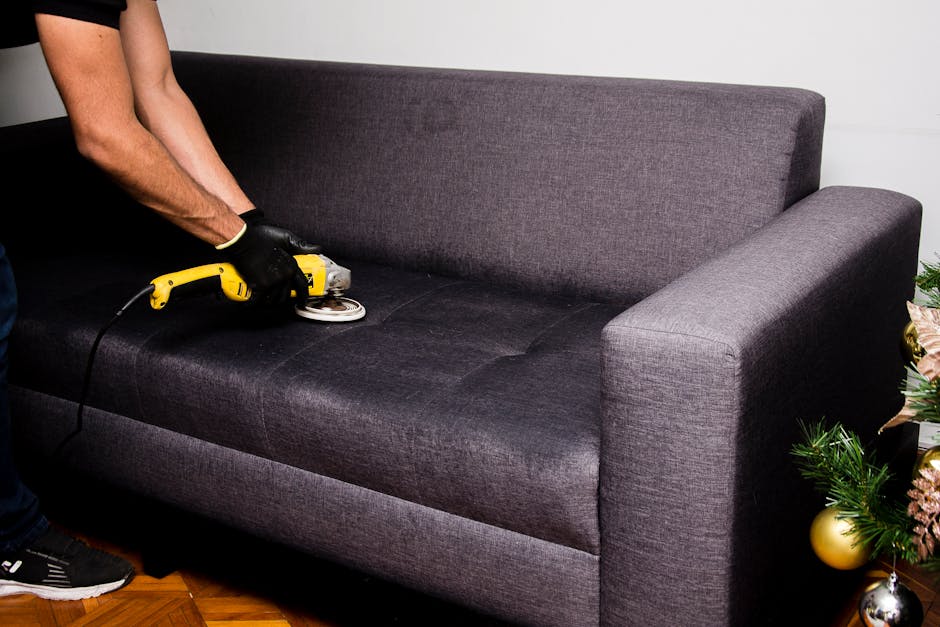
Upholstery cleaning Belgravia insider tips
If you live or work in Belgravia, you already know the furniture here has a different standard to live up to. A velvet chair in a formal sitting room, a well-loved linen sofa, a dining banquette that sees daily use, or an office reception bench that needs to look immaculate by Monday morning - upholstery takes a beating quietly, and then suddenly it doesn't look so quiet anymore. This guide shares practical Upholstery cleaning Belgravia insider tips that help you protect delicate fabrics, avoid common mistakes, and make better decisions about cleaning methods, timing, and aftercare. No fluff. Just the sort of advice that saves time, money, and a bit of stress.
One thing to keep in mind: good upholstery care is not just about making fabric look brighter. It is about preserving texture, colour, structure, and comfort. That matters whether you are managing a family home, preparing for guests, or trying to keep a polished interior from looking tired before its time.
Table of Contents
- Why Upholstery Cleaning Belgravia Insider Tips Matter
- How Upholstery Cleaning Belgravia Insider Tips Work
- Key Benefits and Practical Advantages
- Who This Is For and When It Makes Sense
- Step-by-Step Guidance
- Expert Tips for Better Results
- Common Mistakes to Avoid
- Tools, Resources and Recommendations
- Law, Compliance, Standards, or Best Practice
- Options, Methods, or Comparison Table
- Case Study or Real-World Example
- Practical Checklist
- Conclusion
- Frequently Asked Questions
Why Upholstery cleaning Belgravia insider tips Matters
Belgravia interiors often use higher-end fabrics, bespoke furniture, and lighter colour palettes that show marks quickly. That does not mean they are difficult to care for, but it does mean you need a more careful approach than the usual "spray and pray" habit people fall into after a coffee spill. Truth be told, a lot of upholstery damage happens during the cleaning attempt, not from the original stain.
Insider tips matter because upholstery cleaning is a balancing act. You want to remove soil, oils, crumbs, pet traces, and everyday grime without flattening fibres, spreading a stain, or leaving water rings behind. A quick surface wipe can help in the moment, but it will not solve deep-set contamination in cushions, armrests, piping, or seams where dust and skin oils quietly build up.
There is also the local angle. In elegant homes and managed buildings, presentation matters. A faded arm, a water-marked cushion, or lingering odour can make an otherwise beautiful room feel less cared for. If you are already investing in sofa cleaning or broader deep cleaning, getting upholstery right is often the difference between "freshened up" and "properly restored".
Expert summary: The safest upholstery cleaning is usually the one that matches the fabric, the stain, and the drying conditions - not the one that promises the fastest visual result.
How Upholstery cleaning Belgravia insider tips Work
The process starts long before any machine or cleaning solution touches the fabric. First comes identification. Upholstery may be cotton, linen, wool, synthetic blend, microfiber, velvet, or leather. Each behaves differently. Then comes soil assessment: is the problem loose dust, oily body soil, food staining, pet odour, or something more stubborn like dye transfer? Different problems need different handling, and that is where the real insider knowledge sits.
Most professional upholstery care follows a few broad stages:
- Inspection - check the fabric type, condition, colour fastness risk, seams, frame exposure, and any previous repairs.
- Dry soil removal - vacuum thoroughly, including under cushions and into creases.
- Spot testing - try the chosen solution on a hidden area first.
- Targeted treatment - apply the right method for the fabric and stain.
- Extraction or controlled cleaning - remove soil and residue without over-wetting the material.
- Drying and grooming - speed up drying and restore the nap or pile where needed.
That sounds simple on paper. In real life, one wrong assumption can cause a headache. For example, a creamy stain on a light chair might look like something you can dab away with water, but if the fabric has a backing that traps moisture, you can end up with a tide mark that is more visible than the original mark. Happens all the time.
If you want to understand how upholstery sits alongside other fabric care, it can help to compare it with curtain cleaning and rug cleaning. The basic principle is the same - know the material first - but the handling is different because furniture has seams, foam, fillings, and often more body contact.
Key Benefits and Practical Advantages
There is the obvious benefit: cleaner furniture looks better. But the practical advantages go well beyond appearance.
- Longer fabric life - removing grit and oily residue reduces fibre wear.
- Better indoor presentation - important in reception spaces, formal rooms, and high-use homes.
- Improved freshness - odours from food, pets, and general use are easier to manage.
- More comfortable seating - a cleaned surface feels less grimy and more inviting.
- Reduced risk of permanent staining - quick, correct treatment often prevents a small mark becoming a fixed feature.
There is also a psychological benefit people underestimate. Fresh upholstery can make a whole room feel calmer and more organised. You sit down, the room smells cleaner, the fabric looks brighter, and suddenly the place feels looked after. Small thing, big difference.
For landlords, hosts, and property managers, upholstery care can also support a better handover standard. If you are preparing a property for guests or a tenancy change, pairing upholstery work with end of tenancy cleaning or airbnb cleaning can make the final result feel more complete and much less last-minute.
Who This Is For and When It Makes Sense
This topic is for anyone who wants their upholstery to last, but the needs vary a bit.
- Homeowners who want to keep sofas, armchairs, dining chairs, and headboards looking sharp.
- Tenants and landlords who need presentable furniture for inspections or move-out preparation.
- Hosts who cannot afford lingering smells or visible wear between bookings.
- Offices and hospitality spaces where seating sees heavy daily use.
- Pet owners dealing with odour, fur, and the occasional accident.
It makes sense to book a proper clean when:
- there is visible soiling around arms, headrests, or seat fronts;
- odours remain after normal vacuuming;
- a spill has dried and left a mark;
- fabrics are looking dull even though the furniture is otherwise in good condition;
- you are preparing for guests, an inspection, or a special event;
- you have tried a home remedy and the stain has spread. Annoying, yes, but fixable in many cases.
Sometimes a deep clean is sensible even without a dramatic stain. If a sofa is several years old and used daily, the build-up of body oils and airborne dust can make the fabric look much older than it is. That is often when a house cleaning routine is worth combining with a targeted upholstery refresh.
Step-by-Step Guidance
Here is a practical sequence you can follow before deciding how to clean upholstery yourself or brief a professional. It keeps things sane. Mostly.
- Identify the fabric label or test cautiously
Look for care instructions. If there is no label, proceed as if the fabric is sensitive. Delicate textiles need a lighter touch. - Vacuum thoroughly
Use a soft brush attachment. Get into seams, tufts, under cushions, and along the back edge where crumbs and dust settle. - Treat dry debris first
Do not add moisture before removing loose particles. Wetting grit into the fabric only makes the job harder. - Blot, do not rub
Press a clean white cloth into fresh spills. Rubbing can push the stain deeper and distort the pile. - Test your cleaner in a hidden area
A good test spot is usually the rear skirt, underside edge, or a concealed seam. Wait for it to dry before judging the result. - Apply the smallest effective amount
Over-wetting is one of the biggest causes of rings, shrinking, and long drying times. - Work from the outside of the stain inward
This reduces spreading and helps keep the affected area contained. - Extract or lift residue fully
Leftover detergent can attract new dirt, which is maddening because the item gets dirty again faster. - Dry properly
Use airflow, open windows where appropriate, and avoid sitting on the item until it is fully dry.
If the fabric is particularly valuable or the stain is stubborn, stop before you make it worse. That is not failure. That is judgement. A careful pause can save a very expensive mistake.
Expert Tips for Better Results
These are the little things that separate a decent clean from a genuinely good one.
- Treat the armrests as high-risk zones. They collect oils from skin, sleeves, and hands long before the rest of the piece looks dirty.
- Use white cloths, not coloured towels. Dye transfer is a silly problem to create for yourself.
- Mind the humidity. In damp weather, especially during a chilly London morning, drying takes longer than you think.
- Lift cushions to inspect hidden sides. The visible face may be fine while the underside tells a very different story.
- Refresh the whole panel, not just the spot. Partial cleaning can sometimes leave a patchy finish on older upholstery.
- Watch for after-dark odour return. A surface may smell fine immediately after treatment, then reveal deeper contamination once the room cools down later in the day. Slightly unfair, but common.
One useful insider tip: if a fabric is prone to matting, use a clean soft brush after drying to restore the texture. For velvet-like materials, that final grooming step can make the whole piece look much more luxurious. Little detail. Big payoff.
When in doubt, favour controlled cleaning over aggressive cleaning. That principle also applies to related services such as stain removal and pet stain odour removal, where the temptation to go hard at the mark often causes more trouble than the stain itself.
Common Mistakes to Avoid
A lot of upholstery problems come from well-meant but slightly misguided cleaning habits. Here are the big ones.
- Using too much water - moisture can soak into the foam and backings, leading to long drying times and odours.
- Scrubbing the surface - this can flatten fibres and spread the stain.
- Skipping the test patch - a fabric may look sturdy and still react badly to a solution.
- Using the wrong product on natural fibres - wool, silk blends, and linen often need gentler treatment.
- Ignoring the frame and webbing - moisture near wooden parts can be a problem.
- Cleaning only the visible stain - the surrounding area may still hold residue and create a ring.
- Putting cushions back too soon - trapped dampness can cause lingering smell. Not ideal, obviously.
Another common mistake is assuming that a stronger product is a better product. It usually isn't. In practice, a mild solution used carefully often performs better than a harsh one used impatiently. A bit boring, perhaps, but true.
Tools, Resources and Recommendations
You do not need a truckload of equipment, but the right basics matter.
| Item | Why it helps | Good for |
|---|---|---|
| Vacuum with upholstery attachment | Removes dry soil before it becomes embedded | Routine care, pre-clean prep |
| White microfibre cloths | Safer for blotting and spotting | Spills, spot treatment |
| Soft upholstery brush | Helps lift fibres without harsh abrasion | Velvet, pile, dry grooming |
| Fabric-safe cleaner | Supports targeted cleaning with less residue risk | General stain treatment |
| Fan or airflow setup | Speeds up drying and reduces damp smells | Aftercare, moisture control |
For property-wide upkeep, it is often useful to think in systems rather than single jobs. If upholstery, carpets, and fabrics all get cleaned separately at random intervals, the result can feel uneven. A more balanced plan may include carpet cleaning, steam carpet cleaning, and upholstery care as part of one wider refresh. That keeps the whole interior reading as clean, not just one seat in isolation.
If your furniture is part of a business setting, you might also need broader cleaning support. In that case, services like commercial cleaning or office cleaning can help keep upholstery from being treated as an afterthought. It should not be, really.
Law, Compliance, Standards, or Best Practice
Upholstery cleaning is not a heavily regulated activity in the way some specialist trades are, but there are still sensible standards to follow. In the UK, good practice usually means using appropriate cleaning chemistry, following manufacturer care guidance where available, and paying attention to health and safety around slips, moisture, and ventilation.
For homeowners and landlords, the practical angle is simple: if you are cleaning in a property you are responsible for, avoid creating hazards like wet floors, over-wet cushions, or blocked airflow around drying furniture. In communal or managed settings, that becomes even more important because other people may use the space before it is fully dry. That can turn a minor cleaning job into an awkward complaint. Nobody wants that.
Reputable providers should also have clear policies on safety, insurance, and customer care. It is fair to ask about these before booking, especially if the upholstery is valuable or access is awkward. A company's published insurance and safety information, along with its health and safety policy, should give you confidence that the work will be handled properly and carefully.
Best practice also includes honest limitations. Some stains, old dye transfers, sun fading, and heat damage cannot be fully reversed. A trustworthy cleaner should say that plainly rather than promising a miracle. That honesty is worth a lot.
Options, Methods, or Comparison Table
Different upholstery problems call for different methods. Here is a straightforward comparison to help you decide what makes sense.
| Method | Best for | Pros | Watch-outs |
|---|---|---|---|
| Vacuuming and dry grooming | Routine maintenance | Fast, safe, low risk | Will not remove deep stains |
| Targeted spot cleaning | Fresh spills and small marks | Good for contained issues | Can spread stains if done badly |
| Low-moisture upholstery cleaning | Delicate fabrics and quick turnaround | Less drying time, reduced over-wetting risk | May not suit all soil types |
| Hot water extraction | Durable fabrics with deeper soiling | Strong soil removal, good for built-up grime | Too much moisture can cause rings or slow drying |
| Specialist stain treatment | Pet issues, dye transfer, tough marks | Focused chemistry and technique | Needs careful fabric assessment |
In many homes, the best answer is a combination rather than a single method. For example, a sofa may need dry vacuuming, one or two controlled spot treatments, and then a wider refresh. That is especially true in active households where a piece gets touched, sat on, and lived on every day. Real life is not neat. Furniture certainly isn't.
Case Study or Real-World Example
Consider a Belgravia sitting room with a pale fabric sofa, two accent chairs, and a dining bench used every evening. The sofa looked fine at first glance, but the armrests had a slightly greasy sheen, the bench had food marks near the seam, and one chair had a faint drink ring from a weekend gathering. Nothing dramatic. Just enough to make the room feel tired.
The sensible approach was to inspect each item separately rather than treating them all the same. The sofa needed careful vacuuming and low-moisture treatment around the arms. The bench needed seam-level attention because marks had settled into the stitching. The chair only needed light spot work, but it was crucial to blend the area rather than over-cleaning a circle the size of a teacup. Classic mistake avoided there, luckily.
Afterwards, airflow was used to dry everything properly, cushions were rotated, and the fabric nap was restored with a soft brush where needed. The result was not "new furniture", because that would be unrealistic, but it did look brighter, fresher, and more considered. More importantly, the client could tell which items needed regular maintenance and which ones just needed occasional attention. That's the real win.
Practical Checklist
Use this before you clean, or before you book a cleaner.
- Identify the fabric type if possible.
- Vacuum cushions, seams, and underside areas.
- Check for hidden stains under loose covers or seat pads.
- Test any cleaner on a concealed patch first.
- Use blotting rather than rubbing.
- Keep moisture controlled and avoid soaking the padding.
- Allow enough drying time before use.
- Refresh pile or texture after drying if the fabric needs it.
- Ask about insurance and safety if hiring a professional.
- Schedule upholstery care alongside other interior cleaning where sensible.
If your property needs a broader reset, pairing upholstery work with domestic cleaning or one-off cleaning can make the finish feel far more complete. The room just lands better when the whole environment is addressed, not only the visible chair.
Conclusion
Upholstery cleaning in Belgravia is really about care, judgement, and timing. The best results come from matching the method to the fabric, handling stains calmly, and avoiding the usual over-wetting and over-scrubbing traps. That is the core of the insider approach: less drama, more control.
Whether you are maintaining a formal living room, freshening up a rental property, or keeping office seating presentable, a careful plan will always beat a rushed fix. And once you start looking at upholstery as part of the whole interior rather than a single item, everything becomes easier to manage. Cleaner, calmer, better. Simple as that.
If you are ready to take the next step, compare your current situation against the checklist above, then decide whether a light refresh or a deeper professional treatment makes more sense for the fabric in front of you.
Get a free quote today and see how much you can save.
Frequently Asked Questions
What is the safest way to clean upholstery at home?
The safest method is usually vacuuming first, then blotting small fresh marks with a fabric-safe cleaner after testing a hidden area. Avoid soaking the material. If the fabric is delicate or the stain is large, stop and reassess before you make it worse.
How often should upholstery be cleaned in a Belgravia home?
It depends on use, fabric type, pets, and whether the room is a main living space or more occasional sitting room. High-use sofas and chairs usually benefit from routine maintenance plus periodic deeper cleaning. Visible soiling or odour is usually the signal, not the calendar alone.
Can I use the same cleaner on every type of fabric?
No, and that is where many people go wrong. Velvet, linen, wool blends, synthetics, and leather all react differently. Always check the care guidance where available and test first. When in doubt, treat the fabric as sensitive.
Why does a stain sometimes come back after cleaning?
That is often called wicking. Moisture pulls soil from deeper in the fabric or padding back up as it dries. It can happen if too much liquid was used or if the stain was not fully extracted. Proper drying and controlled cleaning help reduce the risk.
Is steam cleaning always suitable for upholstery?
No. Steam or hot water extraction can be effective on some durable fabrics, but it is not ideal for every material. Delicate textiles, natural fibres, and furniture with fragile backing can react badly to too much moisture or heat.
What should I do with pet odours in upholstered furniture?
Start by identifying whether the odour is on the surface or has reached the padding. Surface cleaning may help with light smells, but deeper pet odours often need specialist treatment. Using the wrong deodoriser can mask the smell briefly without solving it.
How long does upholstery take to dry?
Drying time varies with fabric, room temperature, ventilation, and how much moisture was used. A lightly treated chair may dry far quicker than a heavily cleaned sofa. Good airflow helps, and it is usually wise not to use the furniture until it is fully dry.
Will cleaning remove all stains?
Not always. Some stains are permanent, especially if they are old, heat-set, or caused by dye transfer or bleaching. A careful cleaner should explain what is realistic rather than overselling the result. That honesty matters.
Should I clean the whole sofa or just the stain?
Sometimes just the stain is enough, but spot-only work can leave a patchy finish on older fabrics. If the whole item is dull or evenly soiled, a full clean often looks better. If only one area is affected, careful blending is the key.
What is the best way to protect upholstery after cleaning?
Keep the area dry, vacuum regularly, rotate cushions, and address spills immediately. Try to avoid eating or drinking on fabrics that stain easily, though let's face it, that advice is hard to live by in a real house.
When should I book a professional instead of DIY cleaning?
Book a professional when the fabric is delicate, the stain is large, the odour is persistent, or the piece is valuable or awkward to replace. If a previous DIY attempt has already spread the mark, professional help is usually the smarter next move.
Can upholstery cleaning be combined with other cleaning services?
Yes, and that is often the most efficient approach. Many people combine upholstery work with carpet, curtain, or general property cleaning so the whole room feels consistent rather than half-finished.
In the end, good upholstery care is less about chasing perfection and more about protecting the things you use every day. Do that well, and your rooms keep their calm, their comfort, and their character for far longer than most people expect.